Journal · 12 September 2026
What is Arnica? The Mountain Flower Behind So Many Botanical Balms
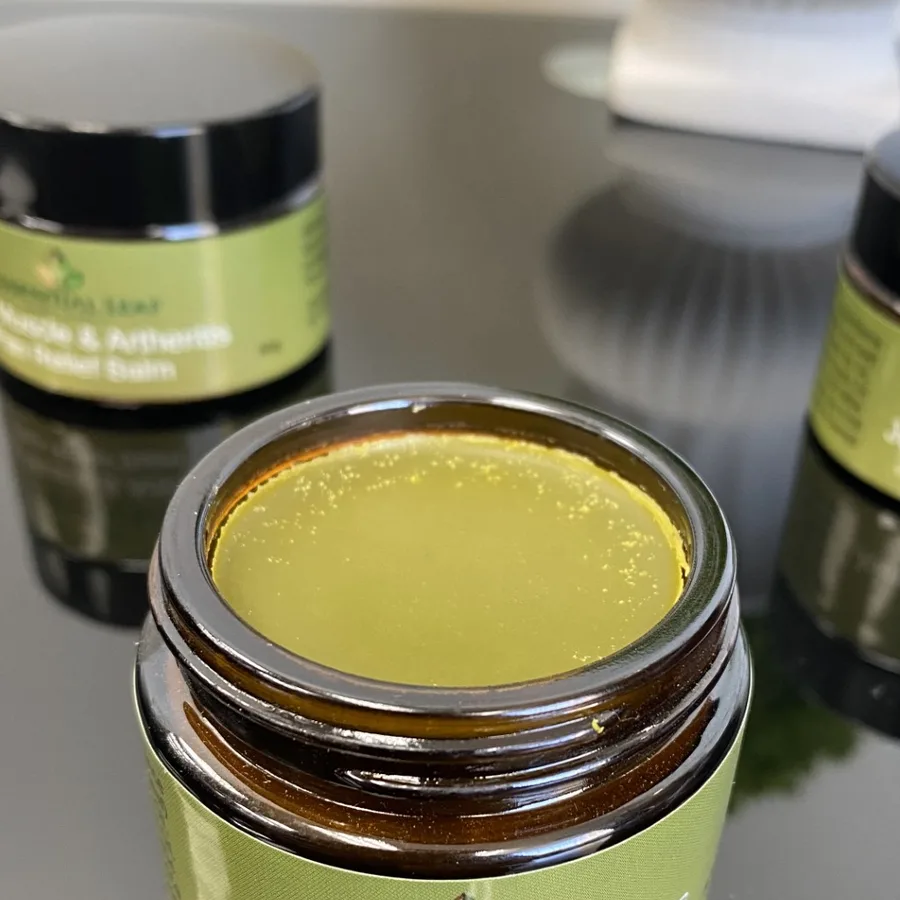
Alongside comfrey, arnica is the other star botanical in our balm. It's a plant with a long and romantic history — and if you've browsed natural balms and massage products, you've almost certainly seen it on an ingredients list. But what actually is arnica? Here's a short introduction to this cheerful mountain flower.
A daisy from the mountains
Arnica (Arnica montana) is a bright golden-yellow flower that looks rather like a daisy. It grows wild in the mountain meadows and uplands of Europe, where it has long been a familiar sight — hence its other common names, mountain daisy, mountain tobacco and leopard's bane.
It's a hardy alpine plant, at home in cool, high places, with a sunny bloom that stands out against mountain grass. There's something appealing about a botanical that comes from such wild, high country.
A long history in European herbalism
Arnica has been treasured in European herbal tradition for centuries. It features in old herbals and folk traditions across the continent, and it became especially associated with the practices of mountain communities who knew the plant well.
That deep tradition is exactly why arnica remains such a classic botanical today — it's a plant people have valued and worked with for a very long time, and modern makers continue that lineage. As always, we share this heritage as history and tradition, not as any claim about what the plant does.
Arnica in balms today
Arnica is a mainstay in botanical balms, massage products and natural skincare — often paired, as we pair it, with comfrey. In balms it's used externally only, infused into oils in the same slow way we prepare our comfrey.
There's a natural logic to the comfrey-and-arnica pairing: two botanicals, each with a long heritage, brought together in a single balm. It's a classic combination for good reason.
A note on using arnica
Like comfrey, arnica preparations are for external use only and should not be taken internally. It's applied to intact skin, not broken skin or open wounds. We always recommend following the directions on any botanical product and doing a patch test first if you have sensitive skin.
Why we chose it
Arnica earns its place in our balm the same way comfrey does: it's a time-honoured botanical with a genuine heritage, and it belongs to the tradition of plant-based balms we're proud to be part of. When you see "arnica" on our label, you're looking at a little piece of European mountain history, brought into a jar hand-poured here in South Australia.