Journal · 12 September 2026
Comfrey, the "Knitbone" Herb: A History of the Cottage Garden's Favourite Plant
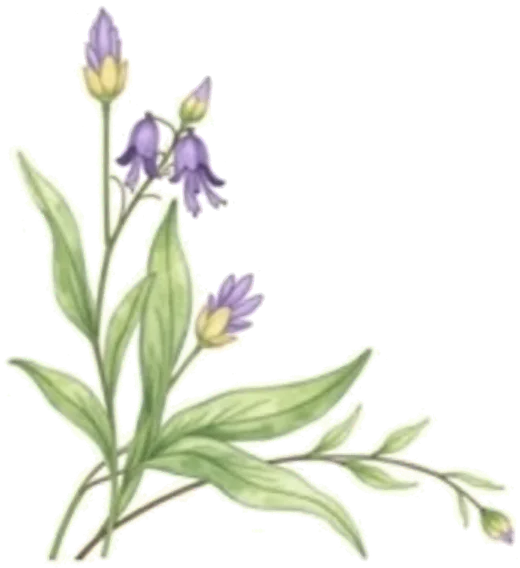
If you've spent any time around herbal balms or old cottage gardens, you've probably come across comfrey — a generous, broad-leaved plant with drooping clusters of purple, pink or cream bell-shaped flowers. You may also have heard its wonderful old folk name: Knitbone.
At Essential Leaf, comfrey is at the heart of what we make, so we thought we'd share a little of the story behind this remarkable plant.
What is comfrey?
Comfrey (Symphytum officinale) is a hardy perennial in the borage family, native to Europe and parts of Asia and now grown happily in gardens around the world, including here in South Australia. It's easy to recognise: large, slightly bristly leaves, deep roots, and those characteristic nodding flowers that bees adore.
It's a vigorous grower — plant it once and you'll likely have it for years — which is part of why it became such a fixture in traditional cottage gardens.
Where the name "Knitbone" comes from
Comfrey has been woven into folklore for a very long time. Its common names alone tell a story: Knitbone, Boneset, Bruisewort. The botanical name Symphytum comes from the Greek symphyō, meaning roughly "to unite" or "grow together."
These names reflect the way generations of gardeners and traditional herbalists regarded the plant — enough that it earned a permanent place in the cottage herb patch, passed from garden to garden along with the stories attached to it. We share these names because they're a genuine part of comfrey's heritage, not as any claim about what the plant does.
Comfrey in traditional herbalism
Comfrey has been cultivated and used in traditional herbal practices for centuries. It was a plant people grew deliberately, valued highly enough to feature in herbals and household books across the ages. That long tradition is exactly why so many modern makers — ourselves included — still reach for it when crafting botanical balms.
Today, comfrey is prepared for external use only, and modern guidance is clear that it should not be taken internally. When we make our balms, we infuse comfrey slowly into premium oils to capture the character of the leaf in a form that's a pleasure to massage into the skin.
Comfrey's other life: the gardener's friend
Beyond the balm jar, comfrey has a well-earned reputation among gardeners. Its deep roots draw up nutrients, its fast-growing leaves make excellent compost material and mulch, and its flowers are a magnet for bees. Many permaculture gardeners plant it deliberately as a companion and compost plant.
Why we treasure it
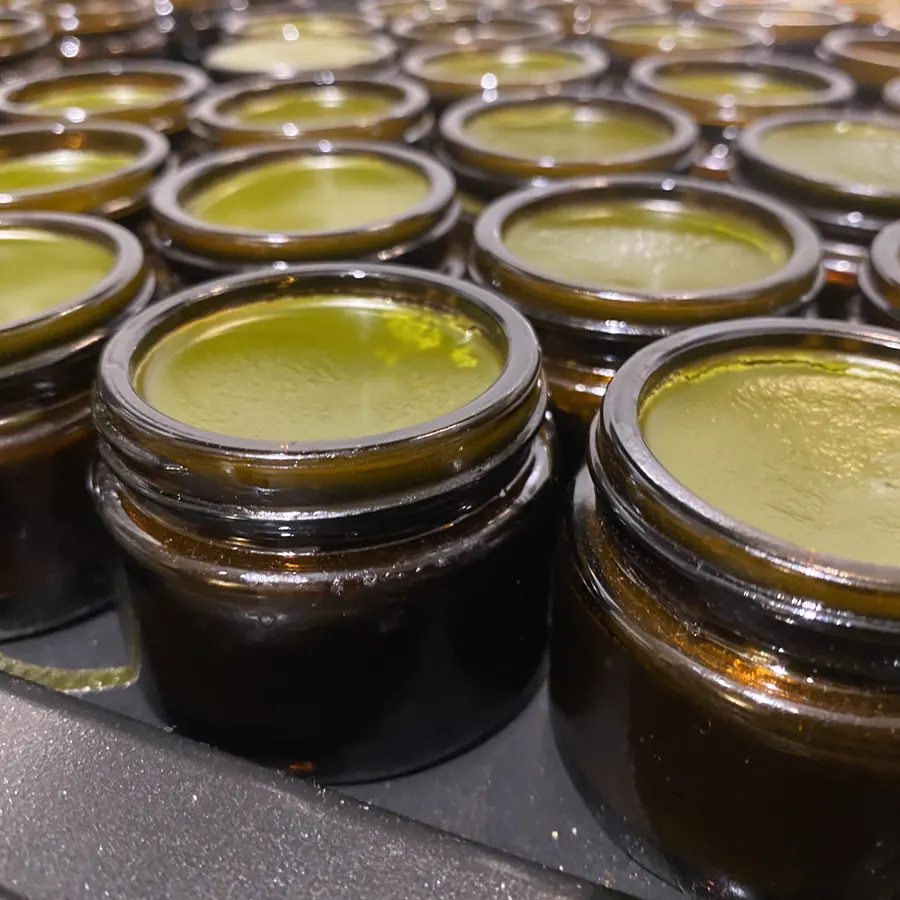
For us, comfrey represents everything Essential Leaf is about: a time-honoured botanical, grown rather than manufactured, prepared slowly and with care. Its distinctive green even lends our balm its natural colour — that comes straight from the leaf, no dyes.
There's something grounding about working with a plant that people have valued for so many generations. When you open a jar of our Comfrey & Arnica Balm, you're holding a small piece of that long tradition.