
Journal · 12 September 2026
Comfrey in the Garden: Why This Old Cottage Plant Deserves a Spot in Yours
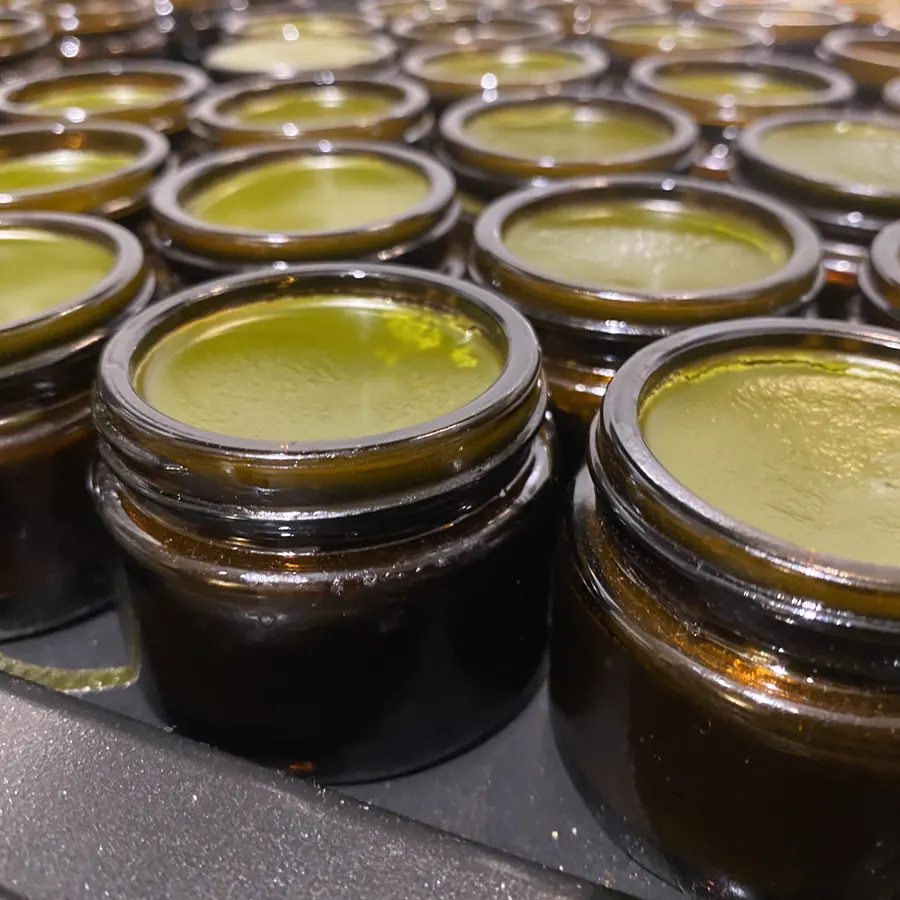
Most people meet comfrey in a jar — as a balm or an oil. But long before it reached the apothecary shelf, comfrey earned its keep in the garden. If you grow your own or dream of a more self-sufficient patch, comfrey is one of the most useful plants you can put in the ground.
A natural nutrient pump
Comfrey grows deep, vigorous roots that reach far down into the subsoil and draw up nutrients other plants can't easily access — particularly potassium, along with nitrogen and phosphorus. Those nutrients end up concentrated in comfrey's fast-growing leaves. Gardeners sometimes call plants like this "dynamic accumulators."
Three classic ways gardeners use comfrey
1. Compost accelerator. Comfrey leaves are rich in nitrogen and break down quickly, making them an excellent "activator" layer in a compost heap to help get things cooking.
2. Mulch. Lay wilted comfrey leaves around the base of hungry plants — tomatoes, fruit trees, leafy greens — as a slowly-decomposing mulch that returns nutrients to the soil as it breaks down.
3. Liquid plant feed. Steep comfrey leaves in water for a few weeks and you get a potent (and famously pungent) liquid feed. Dilute it well and it makes a rich, homemade fertiliser. Fair warning: it smells strong — but the garden loves it.
A magnet for bees
Comfrey's nodding bell flowers are a favourite of bees and other pollinators. Plant a clump near your vegetable patch or fruit trees and you'll help draw pollinators to exactly where you want them. In flower, a comfrey plant fairly hums with activity.
Growing comfrey in Australia
Comfrey is famously easy to grow and very hardy, handling a range of Australian conditions once established. A few tips:
- Give it space. Comfrey grows into a substantial clump and comes back year after year.
- Choose your spot carefully. It's a long-term resident with deep roots, so pick a permanent home. Some gardeners grow sterile cultivars precisely because the plant is so enthusiastic.
- Cut and come again. Harvest leaves through the growing season; the plant bounces back quickly.
- Water while establishing, then it's fairly self-sufficient.
From the garden to the jar
There's a lovely continuity to comfrey. The same plant that feeds a compost heap and hums with bees is the one traditional makers have long infused into balms. At Essential Leaf, that connection to the plant — grown, not manufactured — is the whole idea.